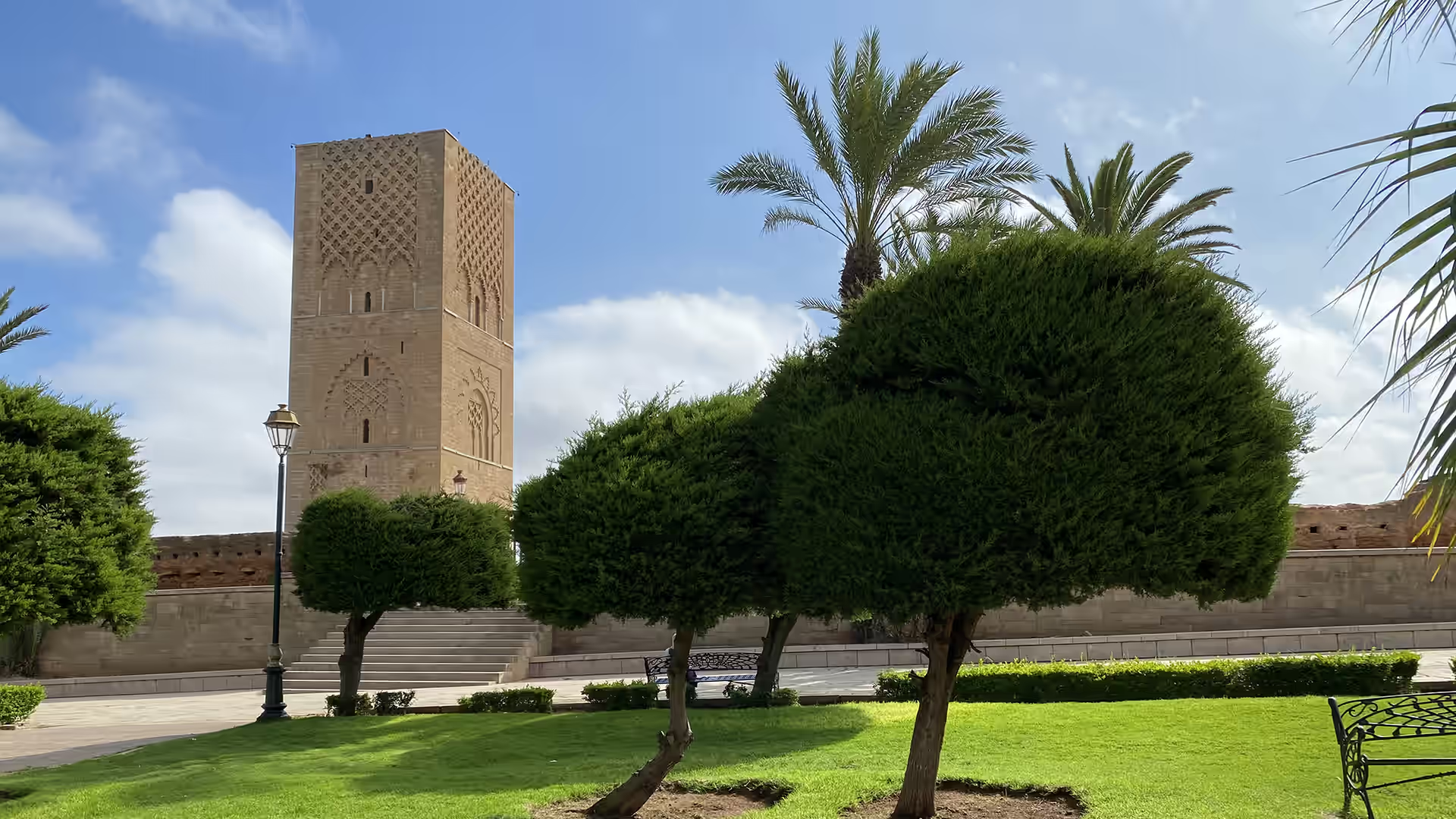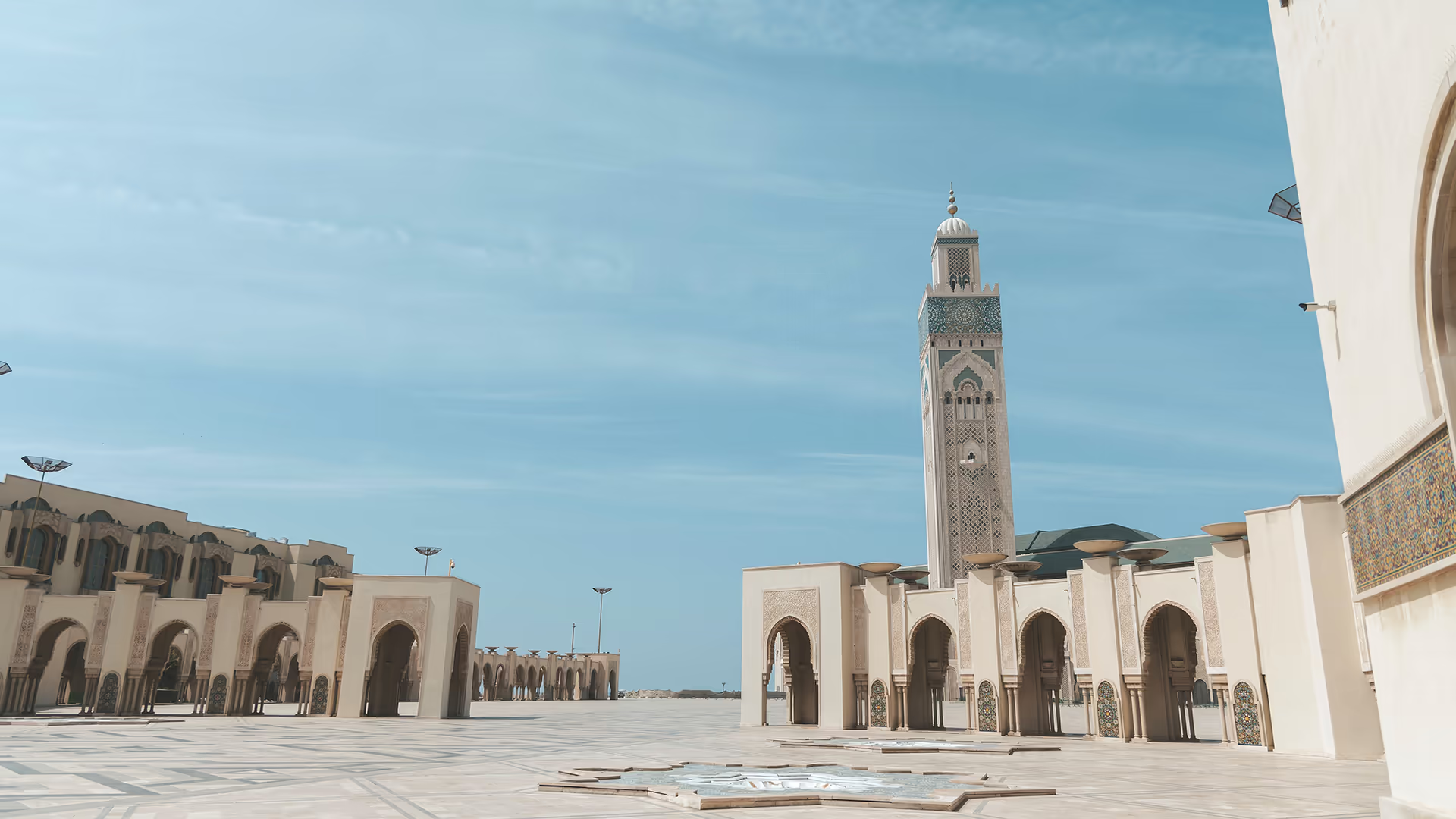
7 Day Morocco Itinerary
One week is enough to cross Morocco properly — two imperial cities, the Middle Atlas, a night in the Sahara and Marrakech — as long as the driving is planned around the light rather than the map.
from 710 €
5 daysPrivate tourFrom 569 € per person
Five days from Marrakech buys the one thing the three-day desert run cannot: a full day in the Sahara instead of a sunrise and a goodbye.
Most people cross the desert in three days. It works, but you arrive at Erg Chebbi in the evening and leave after breakfast — about fourteen hours, half of them asleep. This route gives you a whole day out there.
We are Elhoussain and Soufiane, and Merzouga is thirty minutes from where we grew up. The extra day is spent the way we would spend it: 4x4 across the hamada, the gnawa musicians at Khamlia, the nomad families who still move with the season, and a second sunset without the rush of a departure.
The return leg goes south-west through the Draa valley to Agdz rather than doubling back the way you came, so you see new country in both directions.
Day by day
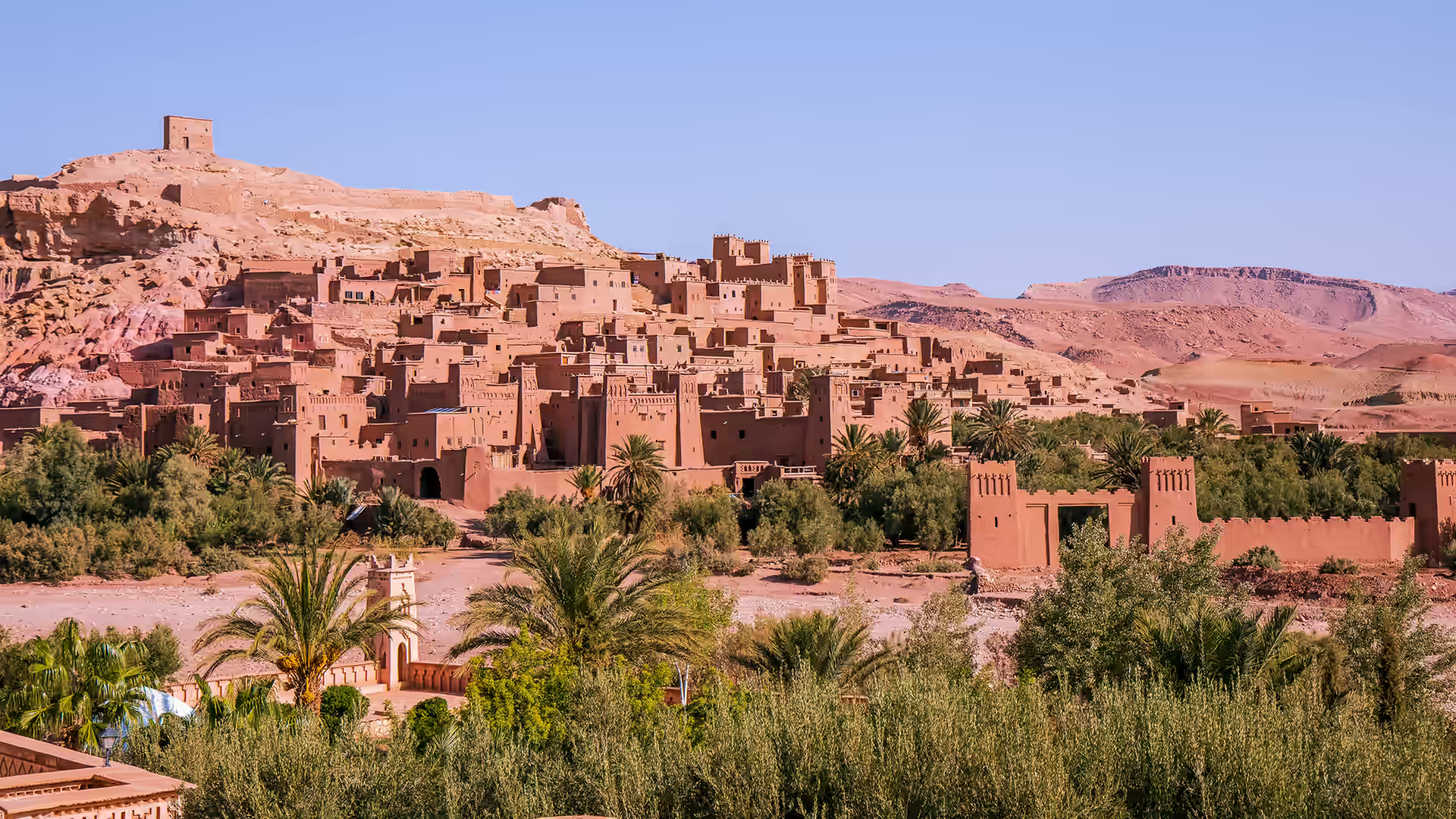
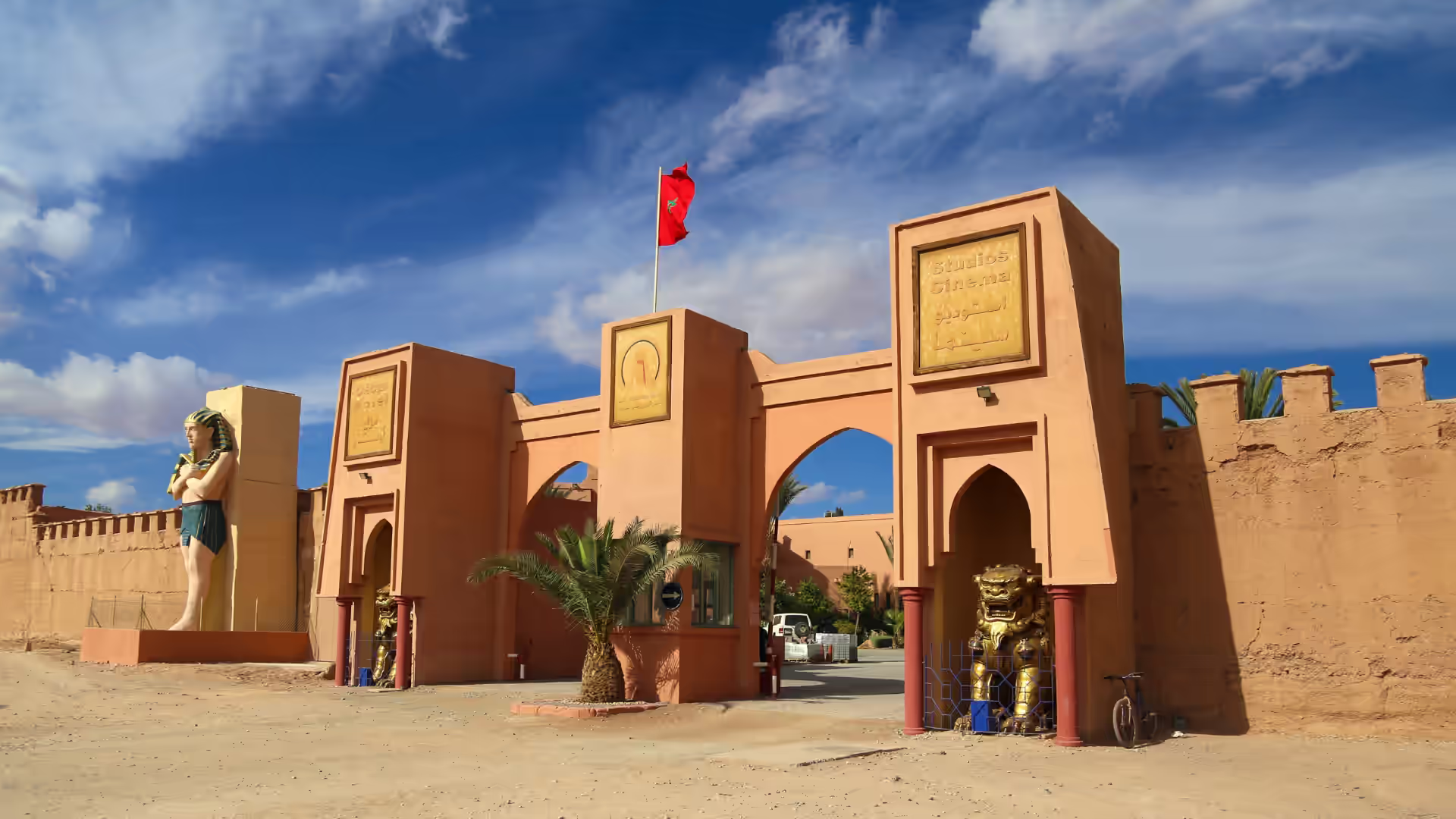
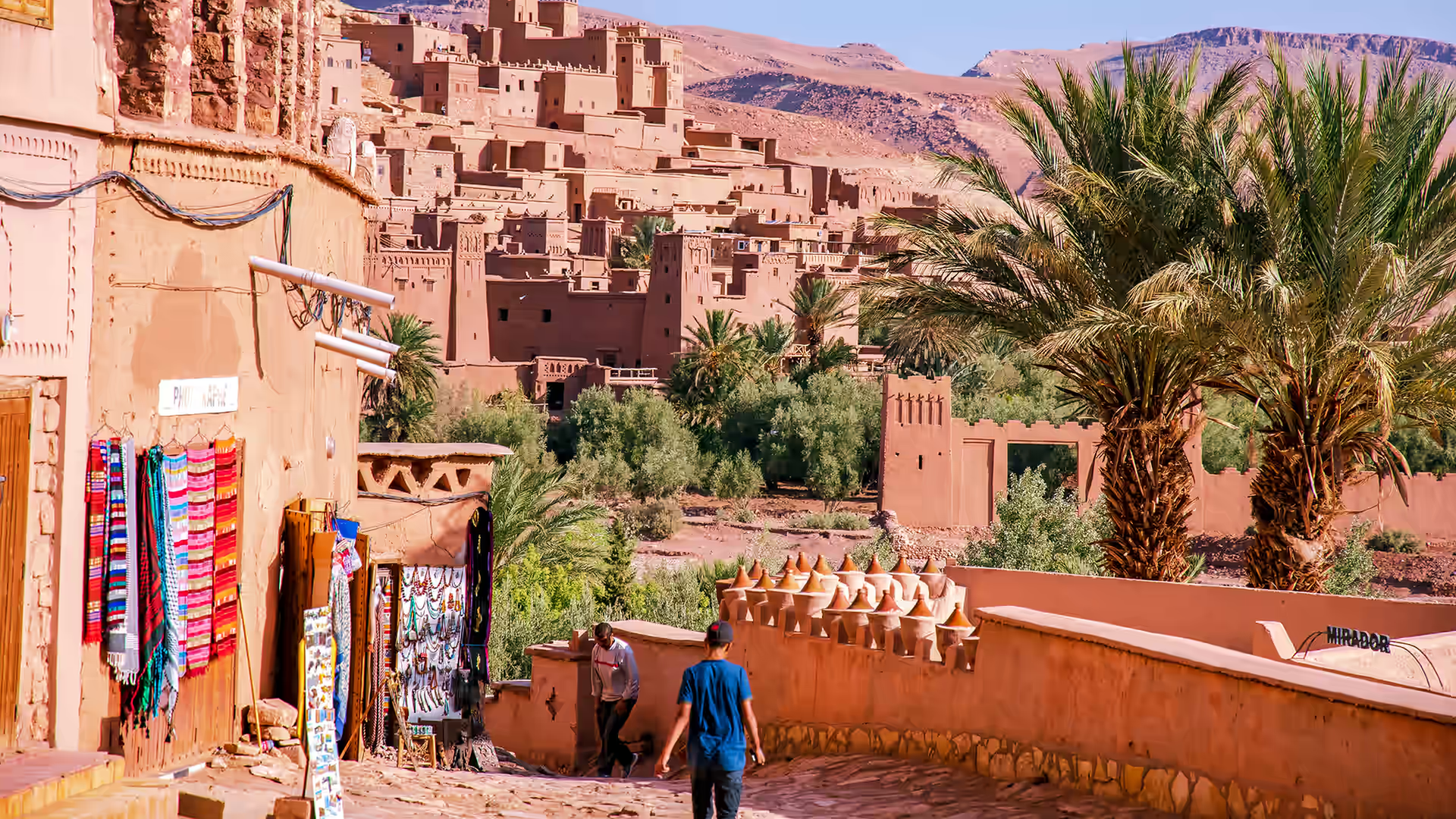
Out of Marrakech early and over the Tizi n'Tichka, the High Atlas pass at 2,260 metres, with stops wherever the valley opens up. Ait Ben Haddou before lunch — the earthen ksar above the river, still lived in, and the backdrop to more films than anyone can list. Then Ouarzazate, Skoura's palm grove and its kasbahs, and up into the Dades valley for the night.
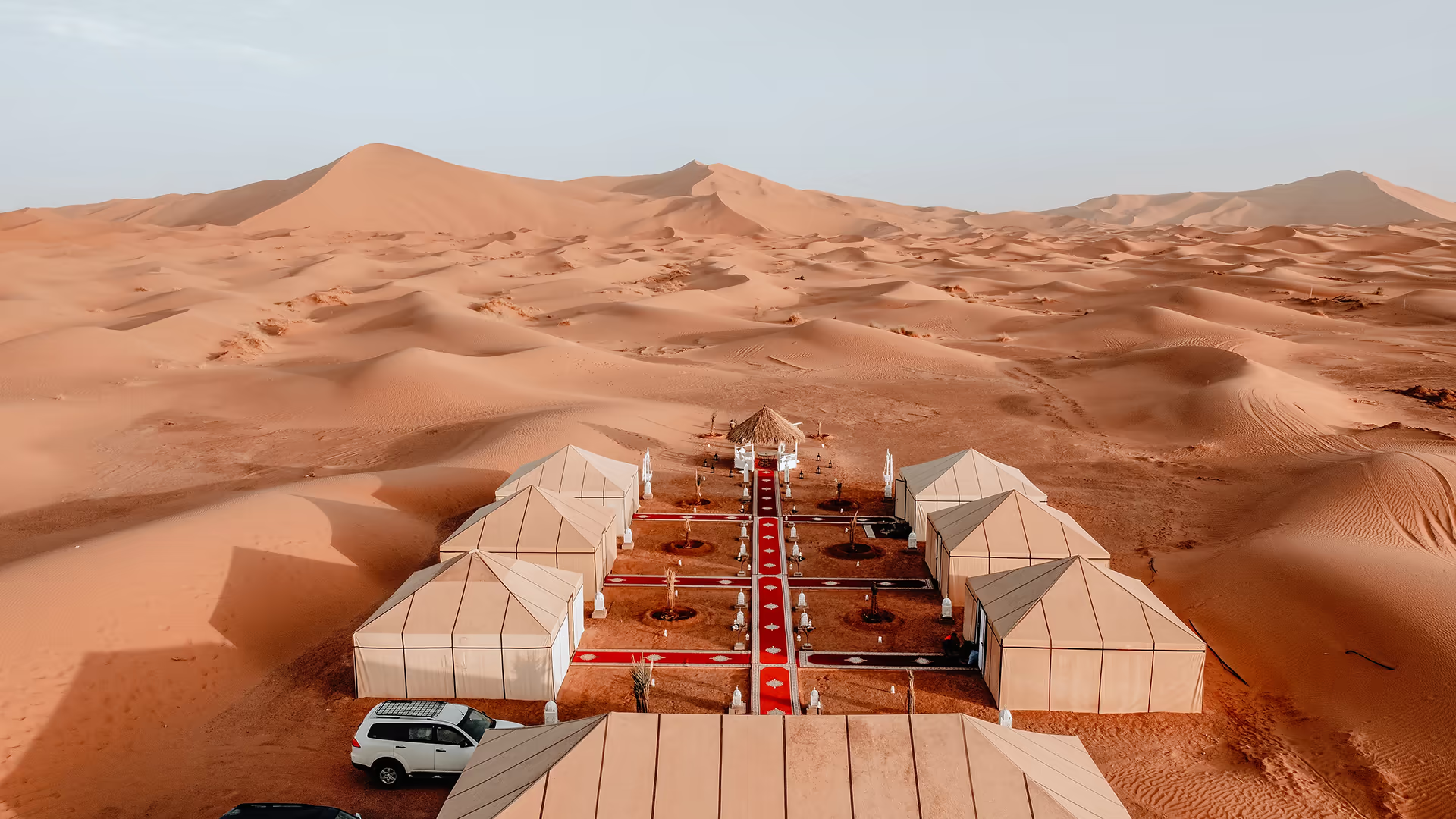
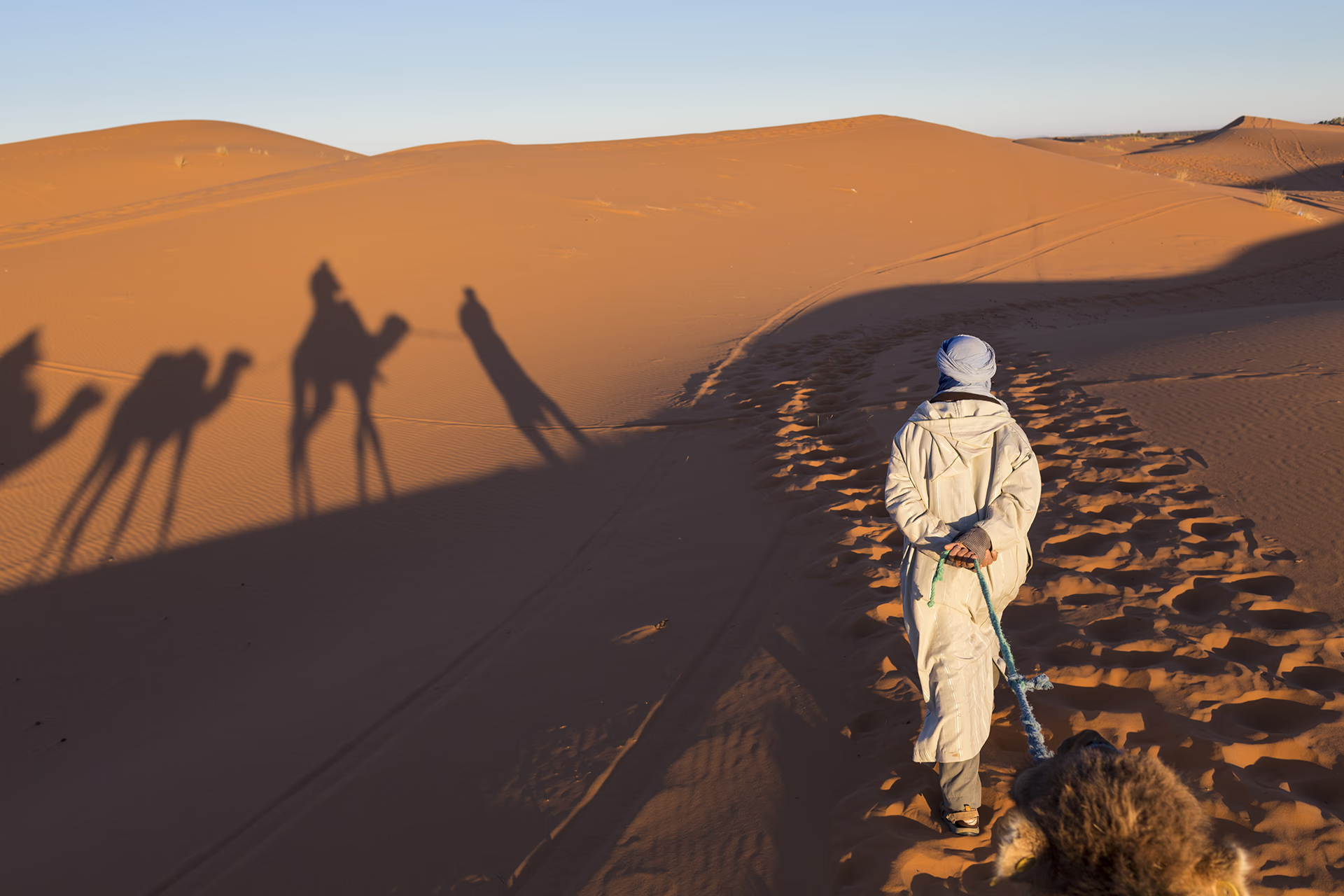
Morning in the Dades gorges, where the road switchbacks up the cliff face, then east to the Todra Gorge — a 300-metre limestone corridor with a river running through it and climbers on the walls. We cross the Tafilalet in the afternoon and reach Merzouga in time to meet the camels. An hour's ride into Erg Chebbi, sunset from a high dune, dinner and drums at the camp.
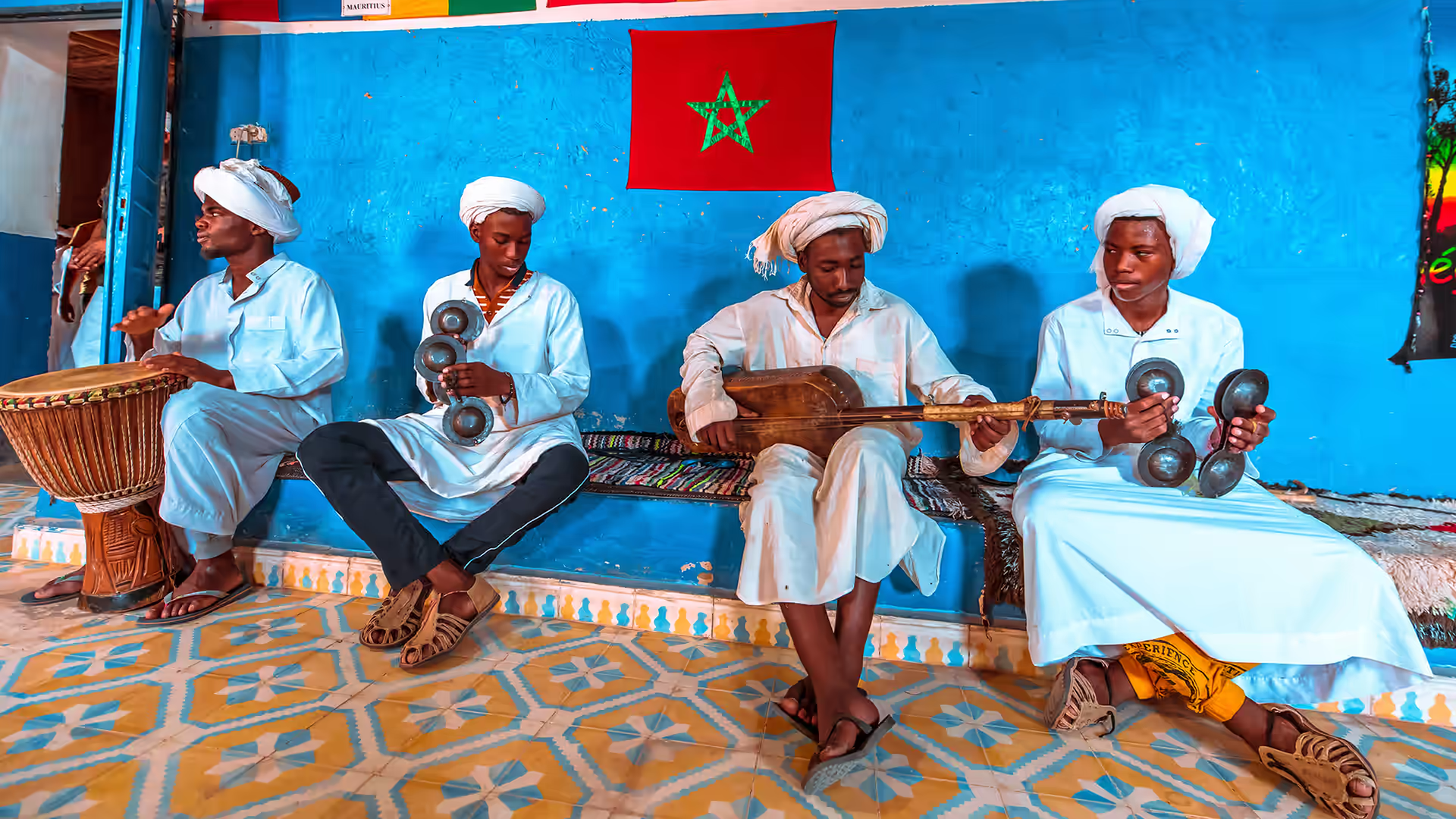
Sunrise over the dunes, then breakfast and a day in the 4x4 with no distance to cover. Khamlia, where families descended from Sudanese caravans play gnawa music in a low blue room — you sit on the floor and drink tea while they play. The nomad wells, the old kohl and antimony mines, the dry lake bed that floods some springs and brings flamingos. Second sunset near the dunes and a second night in Merzouga.
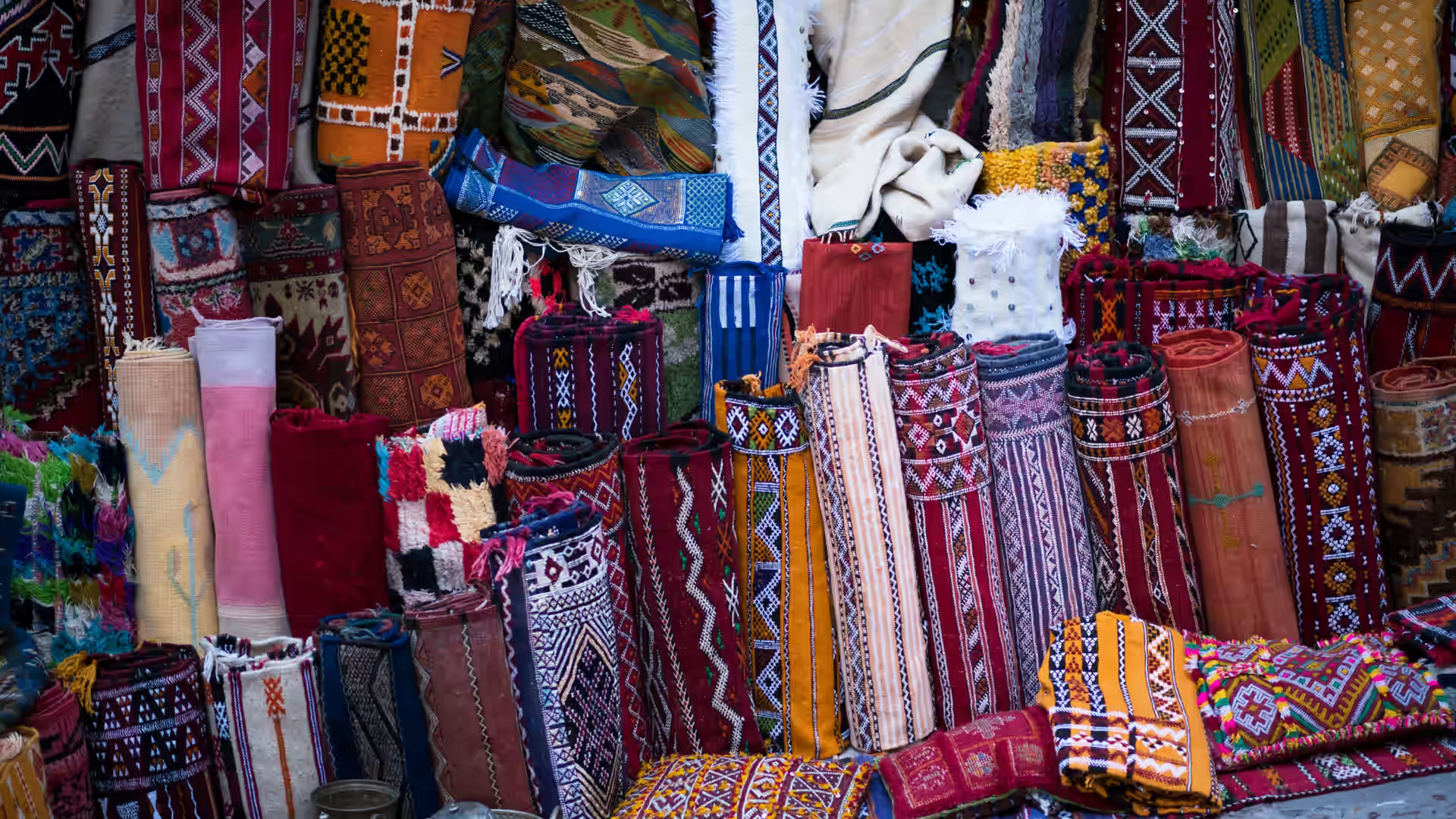
South-west through Rissani, where the Monday, Thursday and Sunday souks still trade donkeys and dates, and then into the Draa — the longest river in Morocco and a continuous palm grove for a hundred and fifty kilometres, with kasbahs of packed earth every few kilometres. We stop at Tamnougalt and reach Agdz for dinner under the Jbel Kissane.
Back over the Atlas to Marrakech with photo stops through the morning, arriving early afternoon. We drop you at your riad, the airport, or wherever you are continuing to.
In pictures
Where you sleep
Simple hotels and guesthouses on the road, and a standard Berber camp with shared bathroom blocks.
Kasbah hotels with pools, and a desert camp with private en-suite tents and proper beds.
Boutique kasbahs and a luxury camp — en-suite tents, hot showers, dinner served at table, private dune terrace.
Cost
From 569 € per person
Per person, two sharing, comfort tier, private vehicle. Larger groups pay less each.
Season and accommodation tier move the price more than anything else. We quote one closed figure before you commit.
No advance payment on this route — you settle when you arrive.
Packing
The route
Questions
If the desert is why you are coming, yes. Three days gives you roughly fourteen hours at Erg Chebbi, half of them asleep. Five gives you a full day out there plus a different road home through the Draa. The extra cost is small next to the extra time.
You spend two nights in Merzouga. The first is in the camp among the dunes, reached by camel. The second can be the camp again or a hotel at the edge of the sand — some people want a proper shower and a bed after the 4x4 day, and we are happy either way.
About an hour each way, timed for sunset going in and sunrise coming out. It is not compulsory — if backs or knees are a problem we drive you to the camp in the 4x4 and you still get the dunes.
Yes. The same five days run Marrakech to Fez, or Fez to Marrakech, with the Middle Atlas replacing the Draa valley leg. Tell us your flights and we build the direction around them.
July and August pass 40 °C inland, so we start early, rest at midday and go up the dunes at sunset. March to May and September to November sit at a comfortable 25–30 °C. Winter days are mild and bright; nights in the camp get close to freezing, and the blankets are heavy for a reason.
Very. Children take to the camp faster than adults do — the fire, the drums and the dunes need no explanation. We fit car seats on request and shorten the camel ride for small children.
Book
Tell us your dates and how many of you there are, and we'll send a closed quote today.
Keep planning