5 Day Morocco Itinerary from Marrakech
Five days from Marrakech buys the one thing the three-day desert run cannot: a full day in the Sahara instead of a sunrise and a goodbye.
from 569 €
7 daysPrivate tourFrom 710 € per person
One week is enough to cross Morocco properly — two imperial cities, the Middle Atlas, a night in the Sahara and Marrakech — as long as the driving is planned around the light rather than the map.
We are Elhoussain and Soufiane, two brothers from the ksar of Ouatara in Rissani, half an hour from the dunes of Erg Chebbi. We have been driving this route for years, and the version below is the one we actually run — not the one that looks tidiest on paper.
Seven days is the shortest sensible window for a full north-to-south crossing. Anything less and the desert becomes a photo stop; anything more and you can add Chefchaouen or the coast. This route starts in Casablanca because most long-haul flights land there, and finishes in Marrakech, where the cheap flights home leave from.
The long driving day is day three, Fez to Merzouga. We break it at Ifrane and the cedar forest near Azrou, and we time the last stretch so you reach the camels in the late afternoon rather than in the dark. That single decision is what separates a good desert night from a rushed one.
Day by day
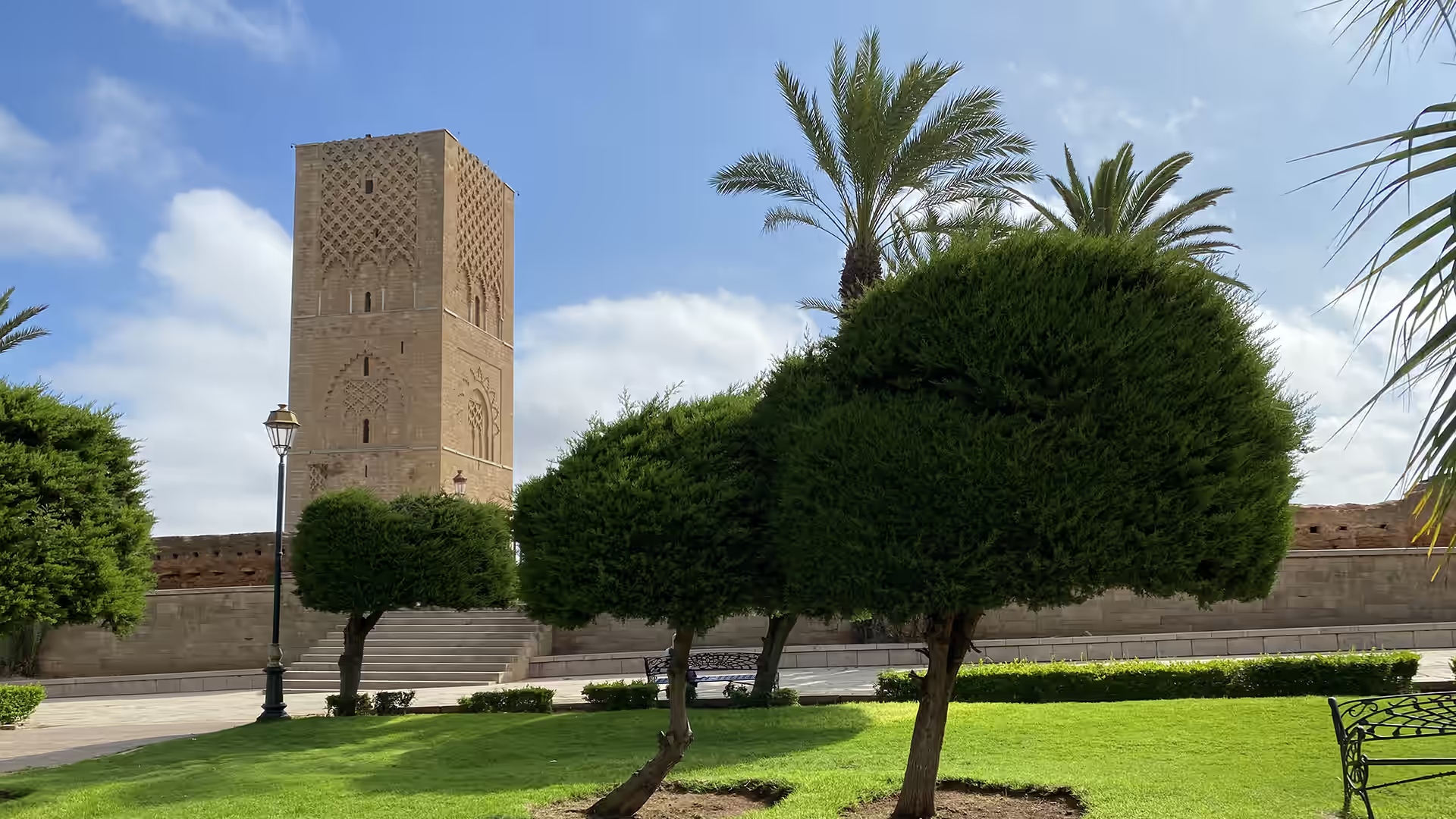
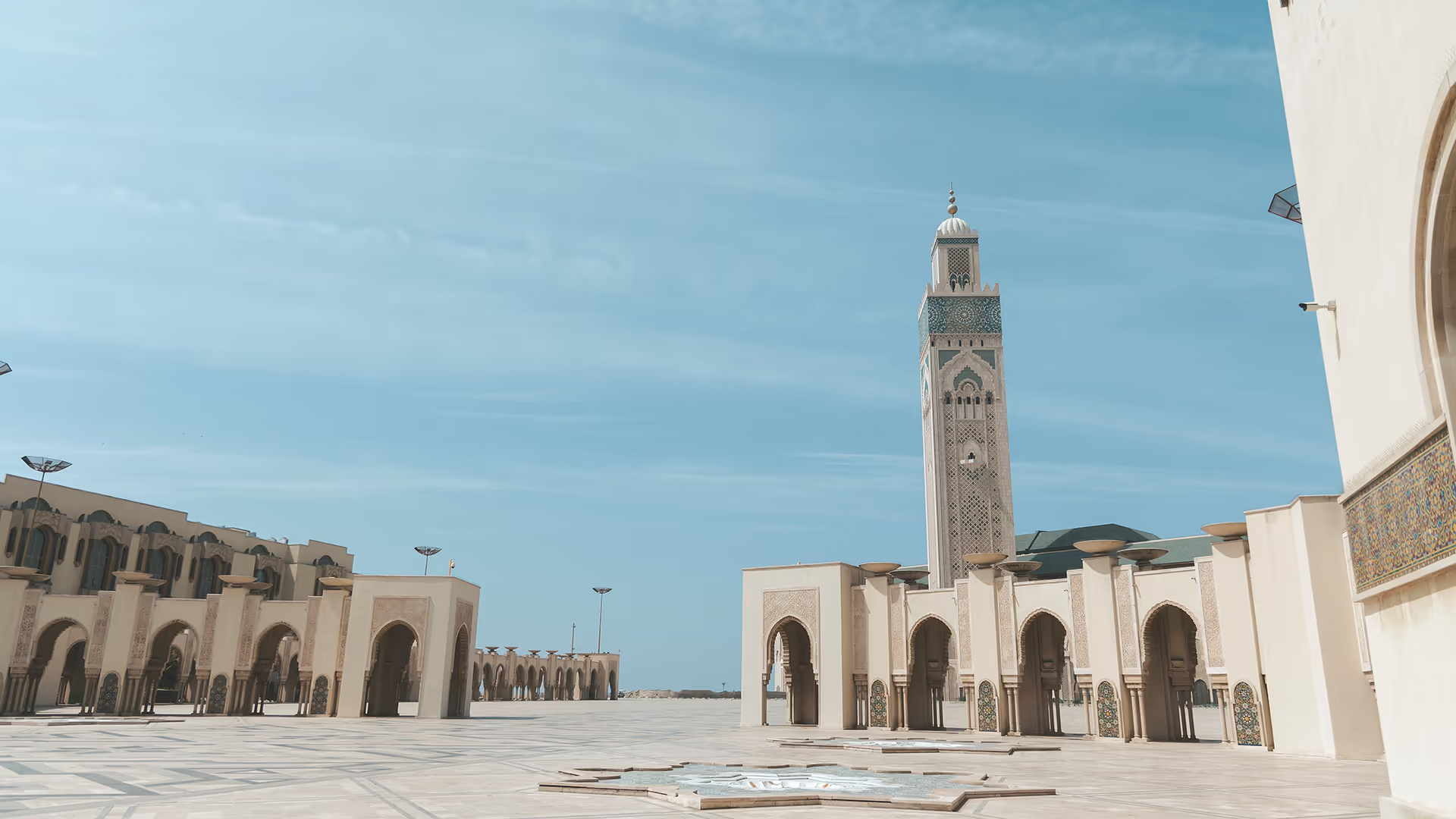
We collect you at the airport or your hotel and drive north along the coast. In Rabat we stop at the Hassan Tower and the Kasbah of the Udayas, where the lanes are painted the same blue as Chefchaouen and almost nobody photographs them. Then inland to Fez, arriving in the evening. If your flight lands early we add the Hassan II Mosque in Casablanca, which sits out over the Atlantic and is one of the few mosques in Morocco non-Muslims can enter.
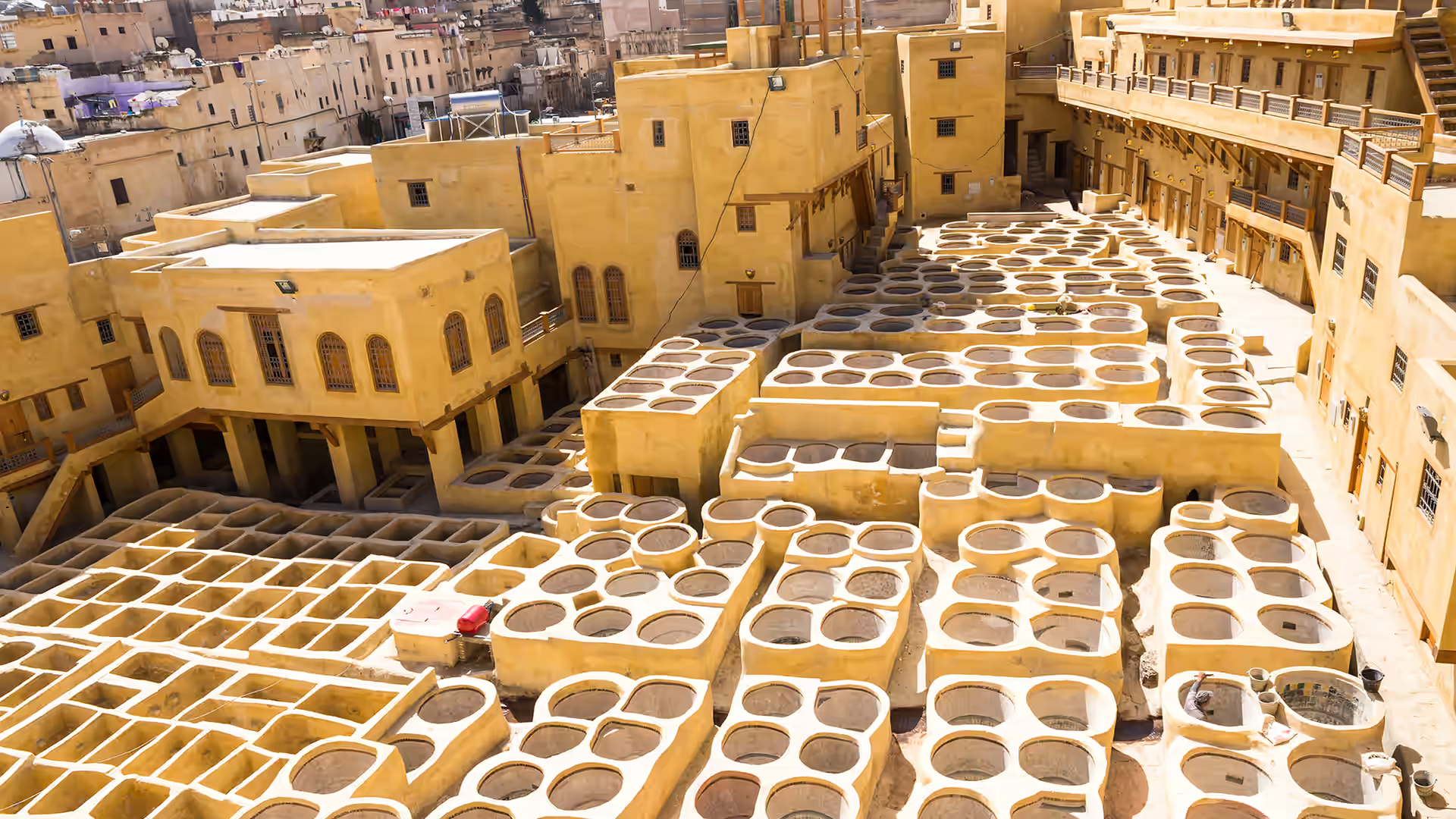
A full day inside the oldest walled medina in the world with a licensed Fez guide — the city has nine thousand lanes and a guide is not a formality here. You will see the Chouara tanneries from a leather shop's terrace, the Bou Inania and Attarine madrasas, the mosaic workshops and the copper market. We keep the afternoon loose so you can go back to whatever caught you in the morning.
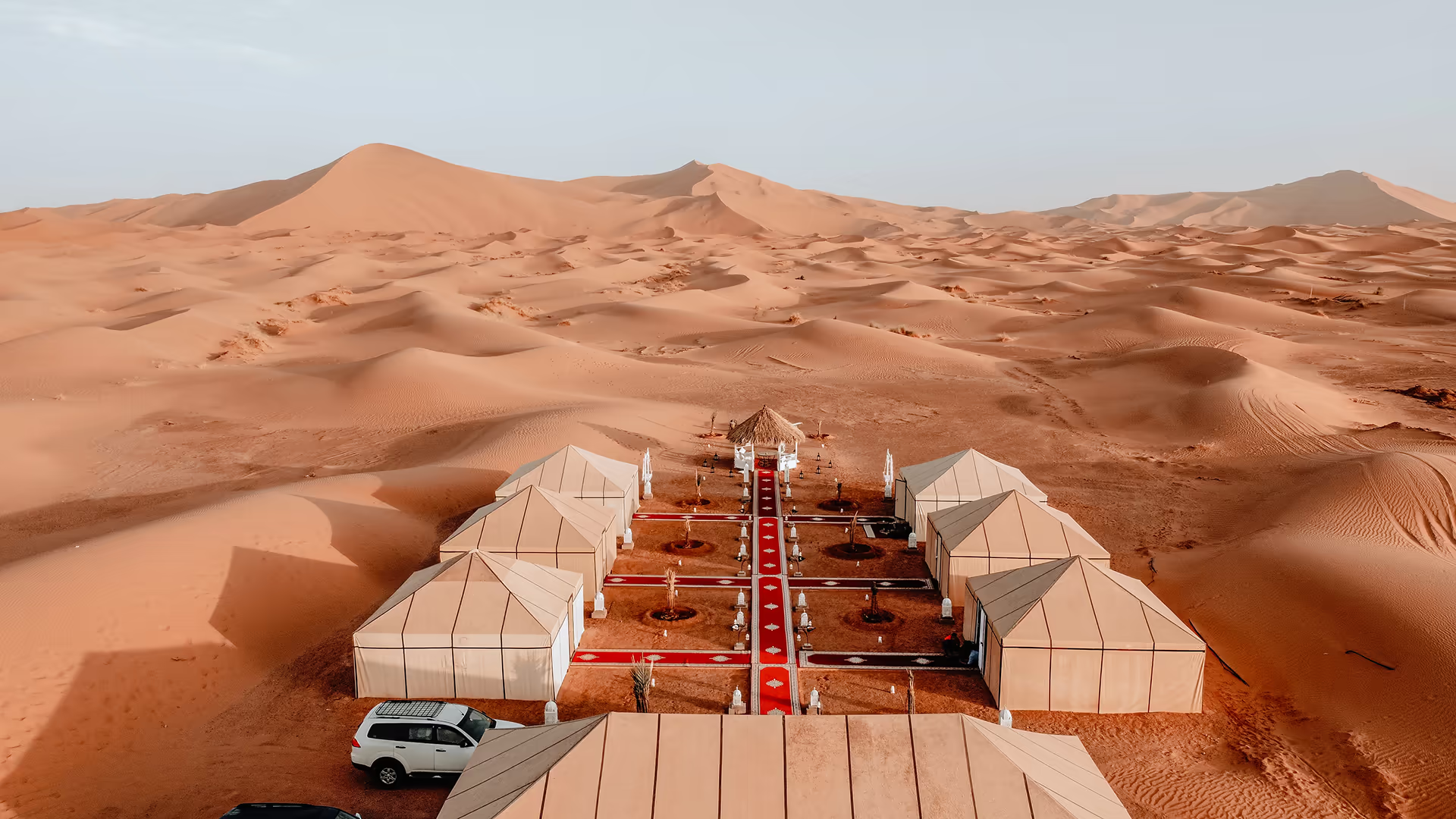
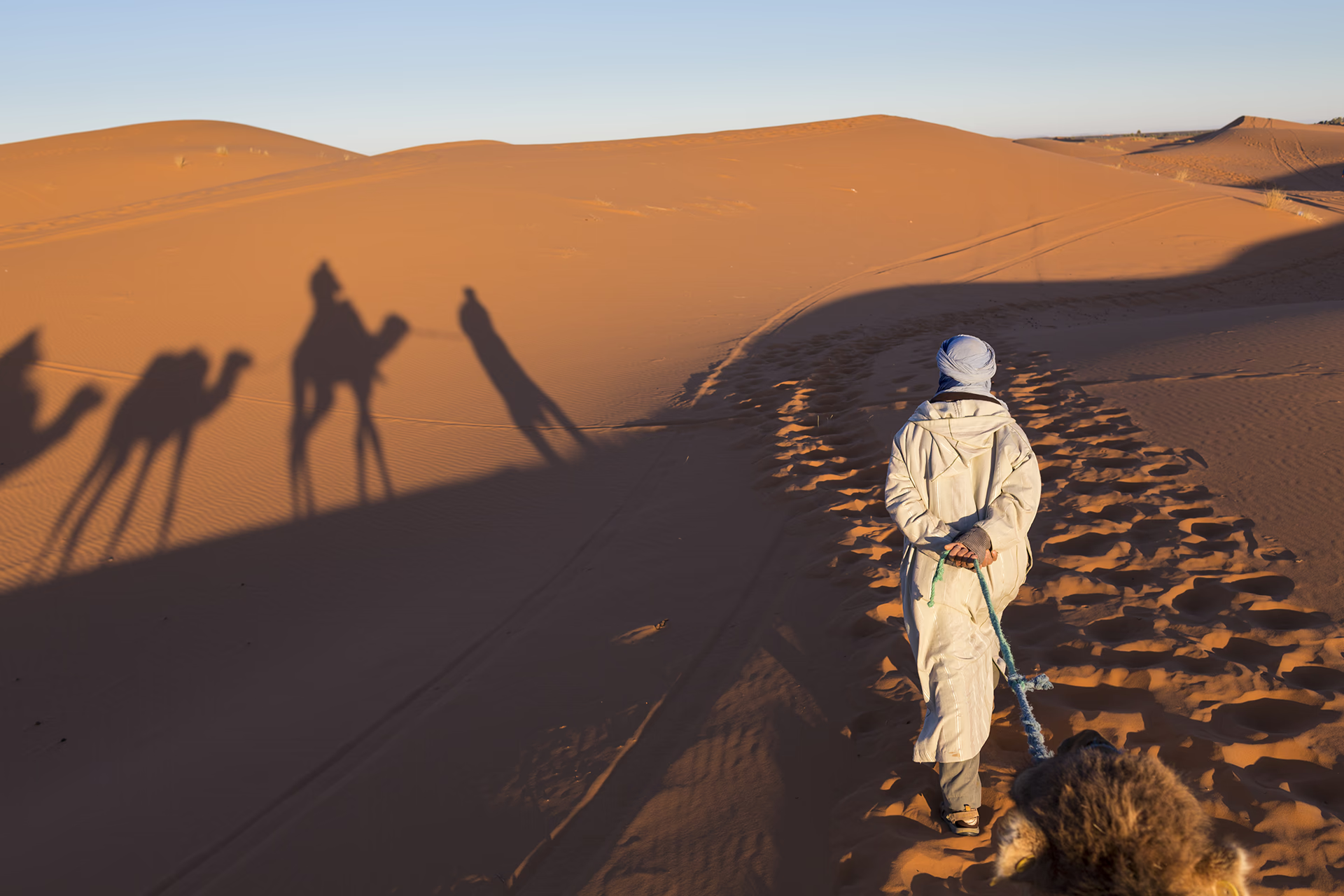
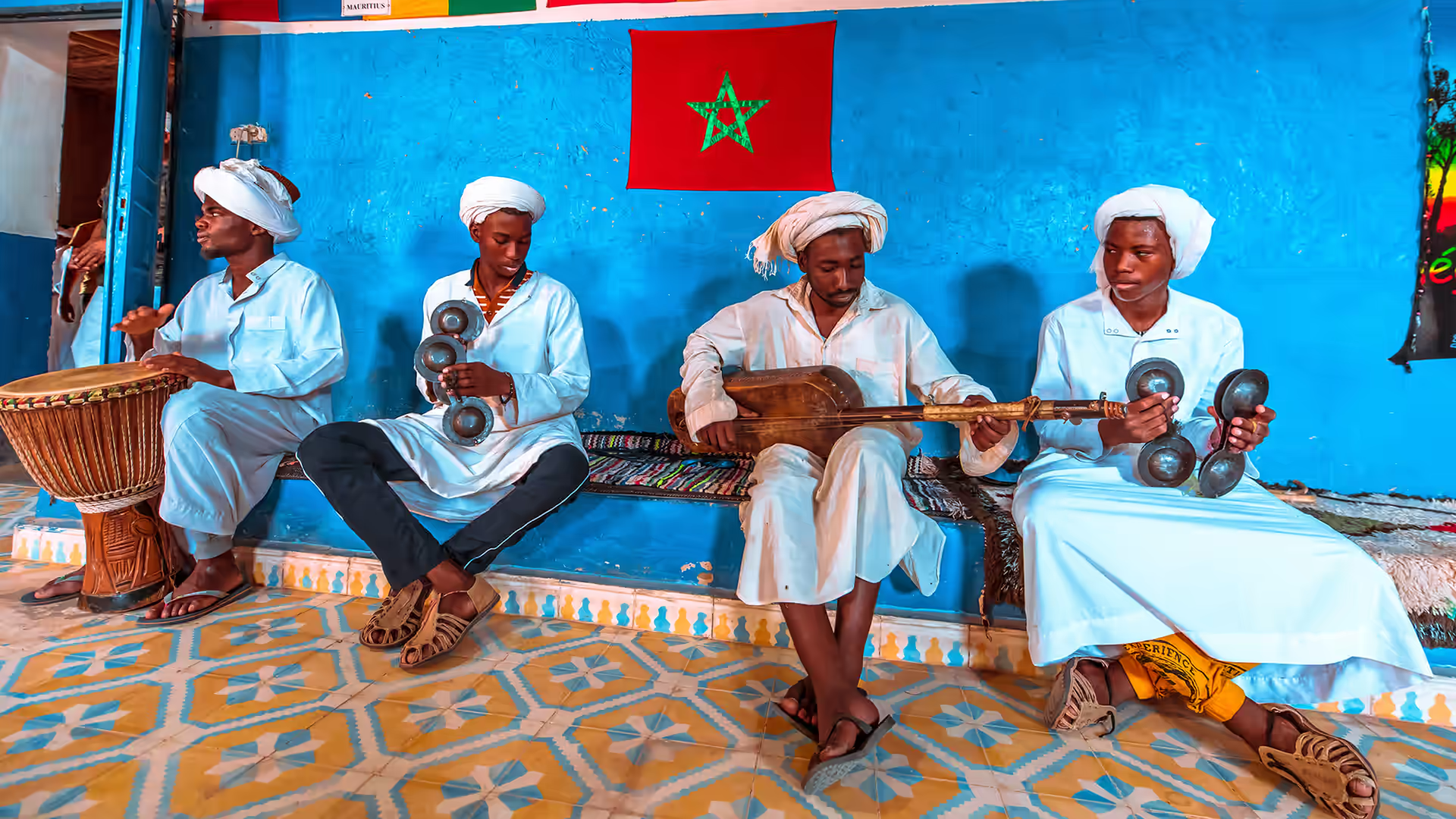
The longest drive of the week, and the most varied. Ifrane looks like an alpine village with pitched roofs; the cedar forest above Azrou has troops of Barbary macaques; then the land dries out through Midelt and the Ziz valley, where the palm groves run for kilometres below the road. We reach Merzouga in the late afternoon, swap the vehicle for camels and ride into the dunes for sunset. Dinner is tagine round the fire, and the drums come out afterwards.
Wake for sunrise over the dunes — the light lasts about twenty minutes and it is the reason people set an alarm on holiday. After breakfast at the camp we drive west through Rissani, our own town, and on to the Todra Gorge, where the walls close to ten metres apart and three hundred metres up. We follow the road of a thousand kasbahs into the Dades valley for the night.
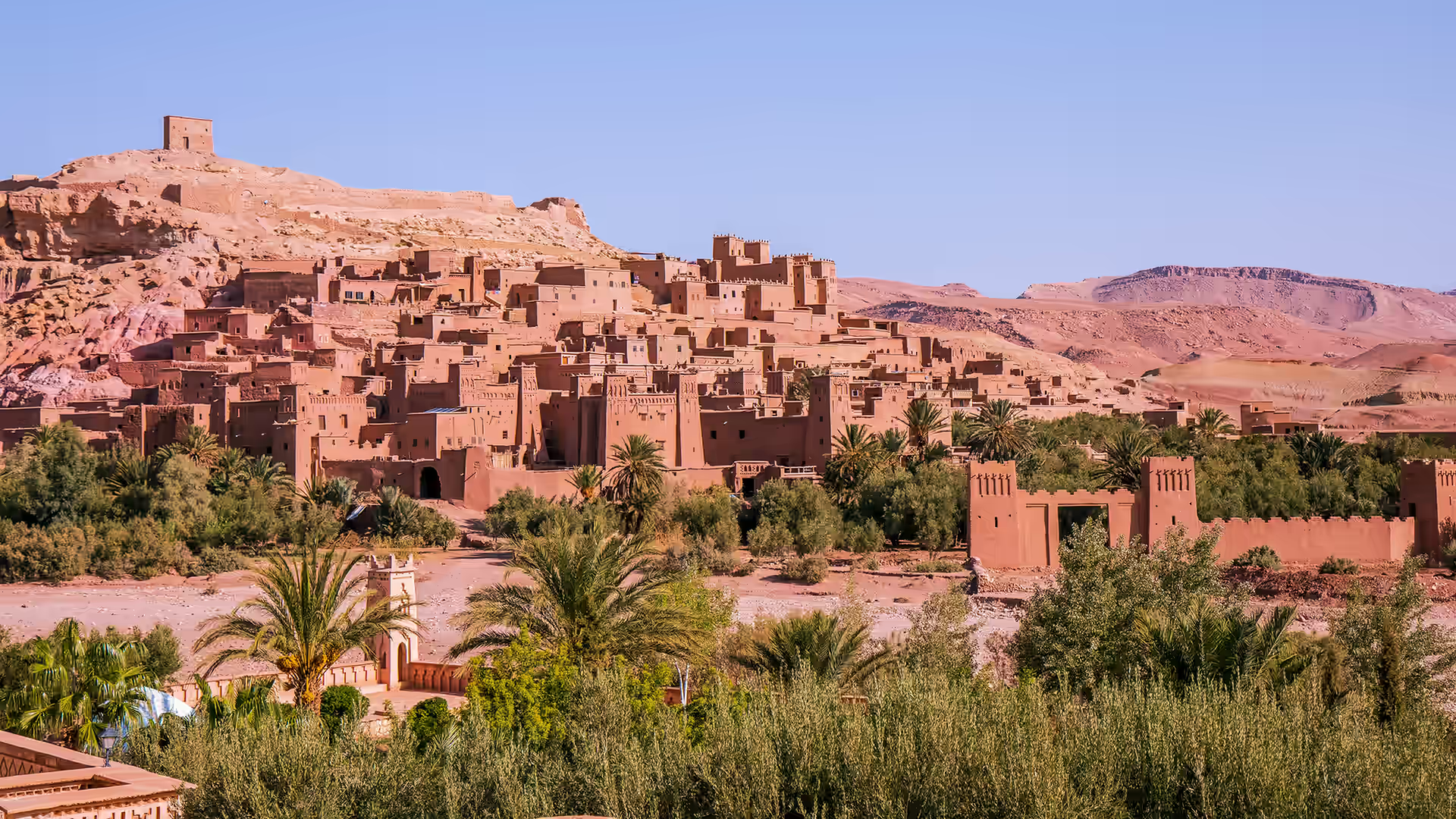
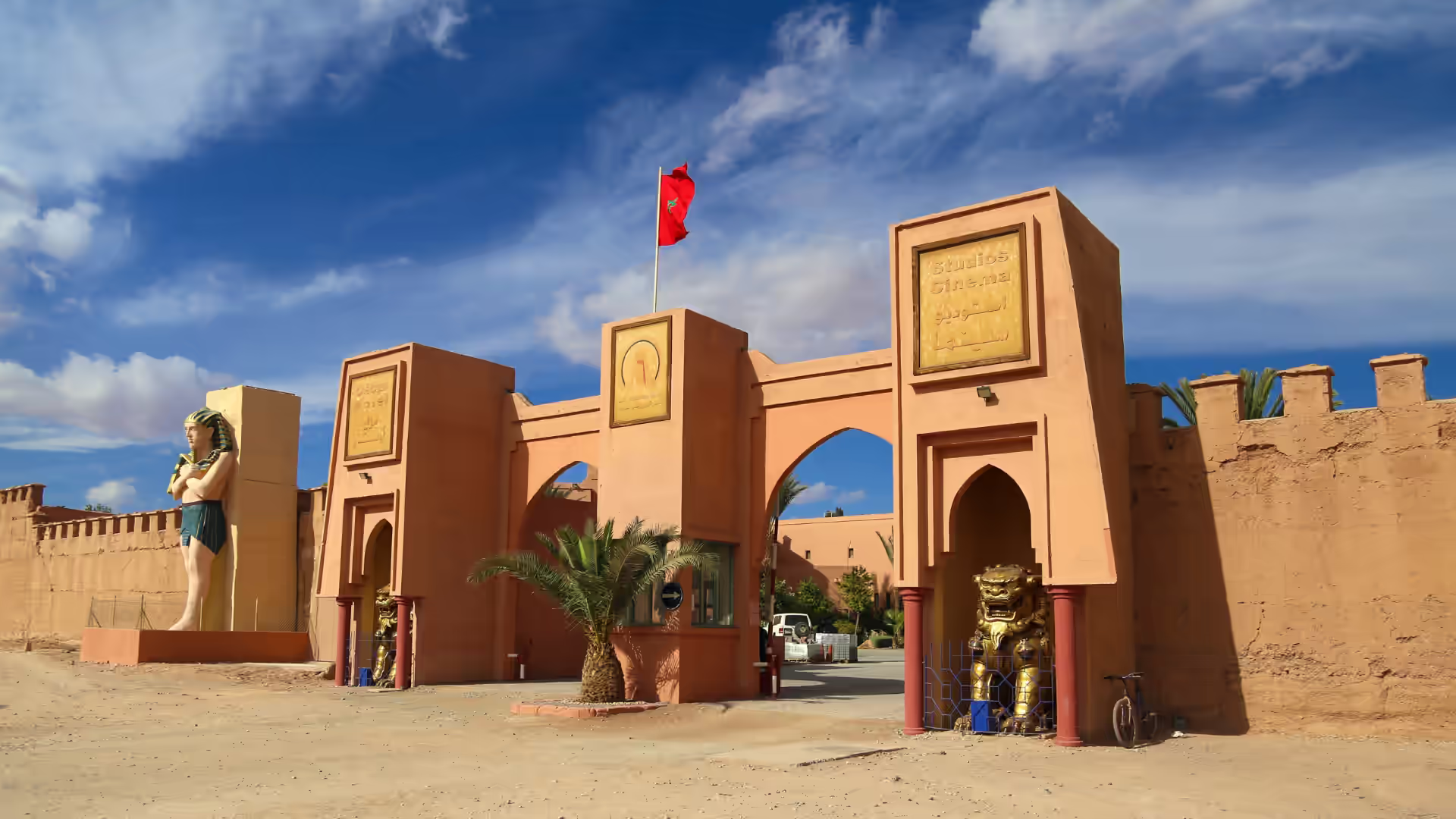
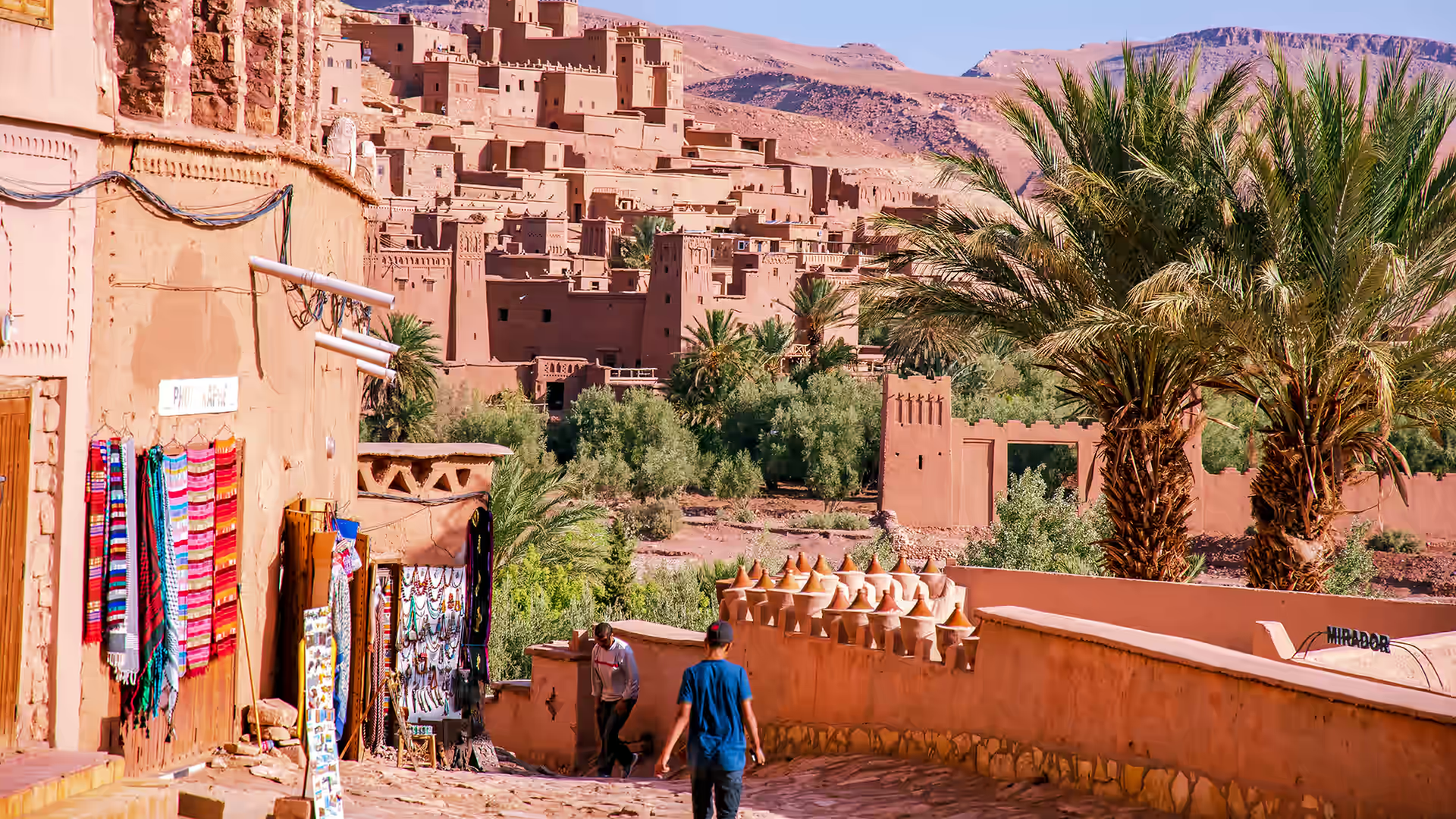
West through the Valley of Roses and Skoura's palm grove to Ouarzazate, where the Atlas film studios sit beside the Taourirt kasbah. Then Ait Ben Haddou, the fortified ksar above the Ounila river — we cross on foot and climb to the granary for the view back over the valley. In the afternoon we take the Tizi n'Tichka pass over the High Atlas, topping 2,260 metres, and drop into Marrakech at dusk.
A guided morning through the Koutoubia, the Saadian Tombs, the Bahia Palace and the souks, then the afternoon free. Our advice: rest through the heat and come back to Jemaa el-Fna at dusk, when the food stalls are built in twenty minutes flat and the square changes character entirely. If you would rather escape the city, we can run you to the Ourika valley instead.
Breakfast, then transfer to Marrakech airport whenever your flight leaves. If you have a late departure we hold your bags and you keep the morning — the Majorelle garden and the Yves Saint Laurent museum are twenty minutes from most riads.
In pictures
Where you sleep
Family-run riads in the medinas and a standard Berber camp with shared bathroom blocks. Clean, simple, and where we would put our own relatives.
Character riads with a courtyard pool, and a desert camp with private en-suite tents, proper beds and rugs.
Boutique riads and a luxury camp: en-suite tents, hot showers, table service at dinner and a private dune terrace for sunrise.
Cost
From 710 € per person
The figure above is the per-person starting price in a private vehicle with two travellers sharing, in the comfort tier. Price per person drops as the group grows — four people pay noticeably less each than two.
What moves the number: how many of you there are, which accommodation tier you pick, and the season. July and August are cheaper than October; Christmas and Easter are the peaks.
We quote one closed figure before you commit, and we do not ask for payment in advance on most routes. You pay when you arrive.
Packing
The route
Questions
Yes, for one clean crossing: two imperial cities, the Sahara and Marrakech. It is not enough to add Chefchaouen and the Atlantic coast as well — that is a 10 day itinerary. If you only have a week, this route is the one that does not feel rushed.
Casablanca, if your long-haul flight lands there, because it lets the route run in one direction and finish in Marrakech. If you can fly into Marrakech and out of Fez, we simply run the same week in reverse at no extra cost.
Between two and four hours on most days, with day three the exception at roughly seven hours including stops. We break every long stretch, and the vehicle is private, so the timing bends around you rather than a schedule.
Canvas tents on rugs at the foot of the dunes, dinner around a fire, and no light pollution for a hundred kilometres. The comfort tier shares bathroom blocks; superior and luxury tents are en-suite with hot water. Nights are cold from November to February — the camps provide heavy blankets.
March to May and September to November. Days sit around 25–30 °C, the nights in the desert are comfortable, and the light is at its cleanest. July and August exceed 40 °C inland, so we shift the driving to early morning and the dunes to sunset. Winter days are bright and mild, but desert nights approach freezing.
In Fez, genuinely yes — the medina has thousands of lanes and no logic that helps a newcomer. In Marrakech it is optional but worth it for the monuments. Both are included here as licensed local guides, which is a legal requirement inside the medinas.
Yes. Your own vehicle, your own driver-guide, your own pace. We do not merge you with other bookings, which is why we can stop when the light is good rather than when a schedule allows.
International flights, lunches, monument entrance tickets, tips and travel insurance. Everything else in the list above is covered, and we tell you the entrance costs up front so there are no surprises.
Book
Tell us your dates and how many of you there are, and we'll send a closed quote today.
Keep planning